
How can we help today?


Release Date: January 18, 2022
Leadership is hard. How can you balance compassion for your people with effectiveness in getting the job done?
A global pandemic, economic volatility, natural disaster, civil and political unrest. From New York to Barcelona to Hong Kong, it can feel as if the world as we know it is coming apart. Through it all, our spirit is being tested. Now more than ever, it's imperative for leaders to demonstrate compassion.

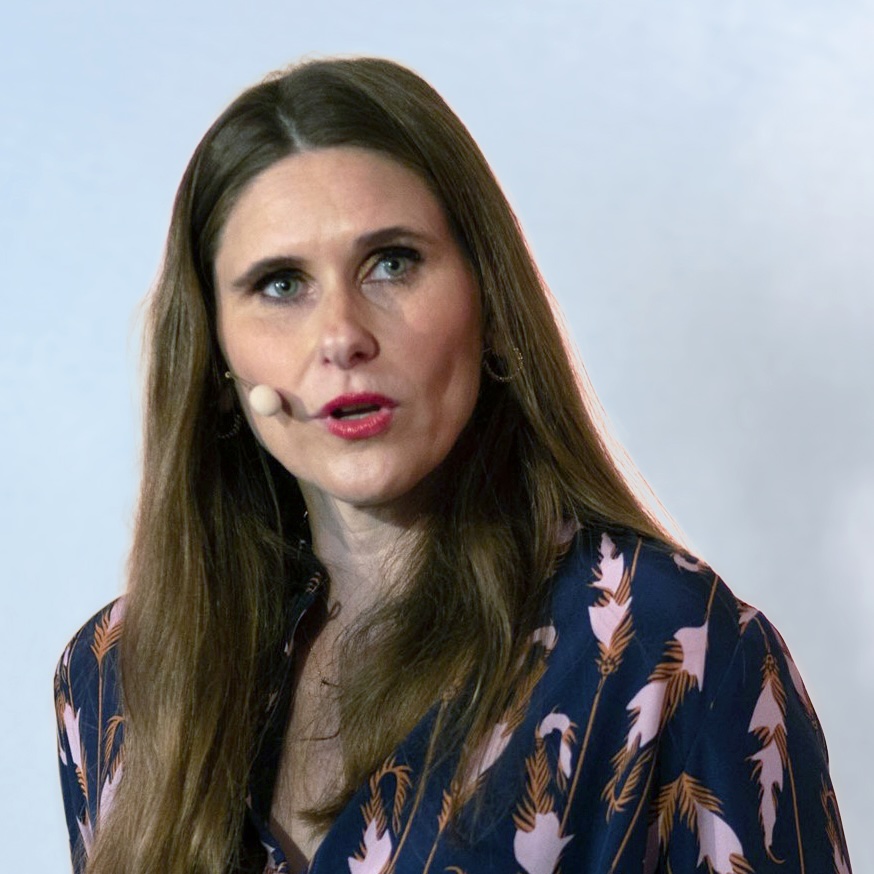
Nina Schmarander
Senior Vice President
Deutsche Telecom


Rasmus Hougaard
Founder and CEO
Potential Project

Marissa Afton
Partner and Head of Global Accounts
Potential Project
As leaders, we often find ourselves donning certain identities – the tough leader, the caring leader, the visionary. They provide us with a sense of purpose and fortitude, but can they also limit us?
Leadership is complex and requires embracing multiple, often conflicting, needs and perspectives. The both/and approach – such as doing hard things in human ways – opens up new pathways and fosters growth for the leader themselves, their teams, and the entire organization.
Dive into our article “You Are Not Locked Into Being One Kind of Leader” to explore the both/and of leadership.

You don’t need a perfect forecast to lead — you need a better beam. In times of high uncertainty and low visibility, awareness becomes a leader’s greatest asset. Shifting from a predict–plan–act mindset to stop–sense–adapt allows leaders to navigate complexity with greater confidence through three key mindsets: presence, clarity, and adaptability.
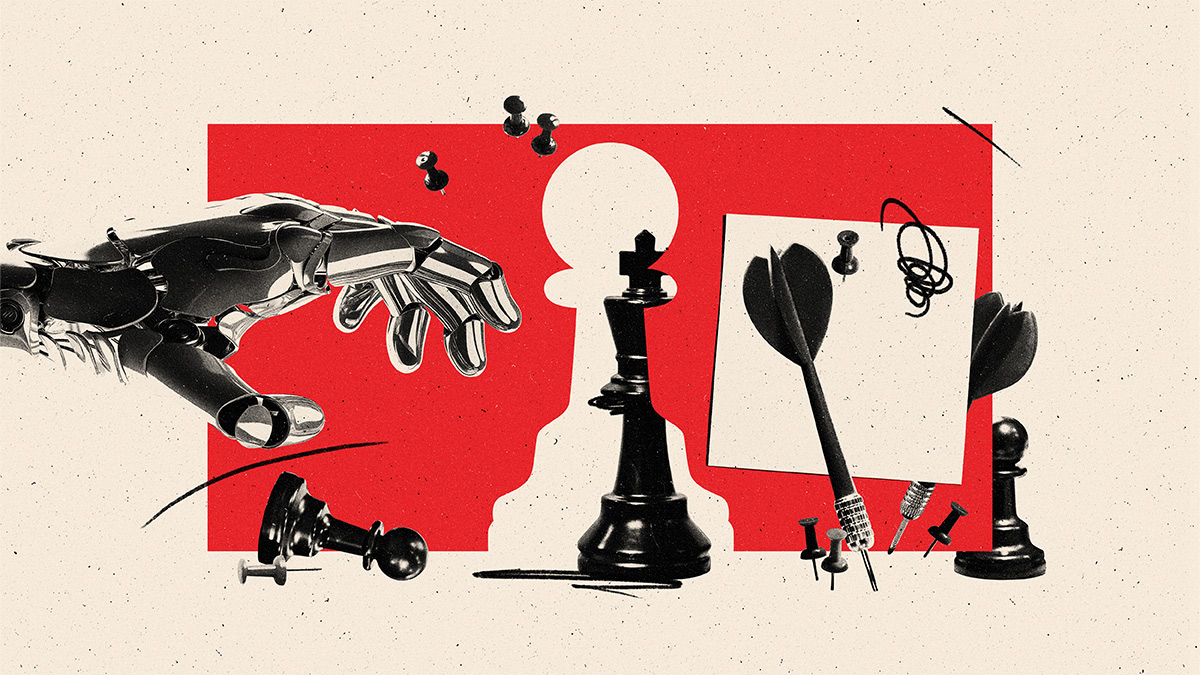
When paired with AI, awareness can expand what you see and help you steer wisely — even when the path ahead is unclear.

As a leader, how do you care for your people but still do the hard things that leadership demands? Many think this is a binary choice, but making tough decisions and being human are not mutually exclusive.
In truth, they are aligned: doing hard things is often the most human thing to do. The ability to combine these two seeming opposites comes down to one thing: Wise Compassion.

In this edition, our special guests shed light on their roles in guiding their organizations through profound transformations and a shift towards a more human-centred culture. They offered insights into the specific implications of these changes for the leaders within KPMG and Citi.
- Nhlamu and Laurie explored what is needed for future leaders in a constantly evolving world of work. KPMG has focused on identifying opportunities to support leaders with the right skills, aligned with changing leadership expectations. They have promoted a two-way communication approach between leaders and their people to build trust and business growth more sustainably. For Citi, the last few years have been challenging with transformations that have impacted how they operate and lead. Laurie expressed the challenge they face in moving from a history of complexity to driving simplicity. Also, the importance and challenge for leaders to build trust and psychological safety to thrive in ambiguity.
- Rasmus shared his point of view on AI and leadership. Leaders must recognize when to leverage AI for tasks related to data processing, rational and logical thinking. It's evident that AI is the go-to tool in these areas. But when it involves anything human, leaders should rely on their human qualities and make a concerted effort to enhance and develop them.
- Laurie, Nhlamu and Rasmus discussed the concept of Both/And in Leadership. Laurie emphasized that compassion goes beyond soft leadership. It involves facilitating difficult conversations in a direct, contextual, and clear manner, ultimately leading to improved performance and the ability to do harder things. Nhlamu stressed that adopting a Both/And mindset provides the necessary perspective to address challenging questions and helps us all to get unstuck. Curiosity and adaptability were named as the key competencies needed for the leaders of the future.
Watch a full replay of Leadership Reimagined.

The Human Leader is Potential Project’s bi-annual study of the critical attributes that constitute a new model of human-centric leadership. Based on data from 5,000 companies across 100 countries, The Human Leader provides ground-breaking insights into how leaders can relearn how to be more human at work.

The Human Leader is Potential Project’s quarterly research report which uncovers the core attributes of human-centric leadership. Drawing on data from 5,000 companies across 100 countries—and combining both leader and team perspectives—it offers deep, science-backed insights into how today’s leaders can be more human, effective, and future-ready.
Our latest Human Leader Report shows that leaders with a mindset of clarity experience far less distraction and burnout, even in times of volatility. Clarity isn’t about having all the answers — it’s about cultivating a clear mind to lead effectively amid uncertainty. Read the report here.
Release Date: January 18, 2022
Leadership is hard. How can you balance compassion for your people with effectiveness in getting the job done?
A global pandemic, economic volatility, natural disaster, civil and political unrest. From New York to Barcelona to Hong Kong, it can feel as if the world as we know it is coming apart. Through it all, our spirit is being tested. Now more than ever, it's imperative for leaders to demonstrate compassion.
🔹 We often think of leadership as something earned through years of experience. But in a world reshaped by AI, disruption, and uncertainty, leadership becomes less about what you know and more about who you are. Leadership is conscious choice about how to show up every day, even in small moments. Doing so requires leaders to slow down and be intentional.
🔹 Navigating ambiguity and showing up in news ways requires new mindsets and new muscles for leaders, like courage, radical transparency and trustful collaboration. Al can enhance and deepen these when used carefully and thoughtfully.
🔹 Leaders are being asked to make decisions with less certainty and more complexity than ever before in a world that is moving very fast. A good way to face this challenge is to bring openness, optimism and curiosity, particularly as it relates to adopting AI.
Watch the full replay of Leading Beyond the Known.




.png)


